Month: April 2009

  • Bakery oven seminar

    bakerovn_w500

    Map reference

    Photo gallery

    Slow Food Oslo together with the Society for the Preservation of Norwegian Ancient Monuments (Fortidsminneforeningen), the Foundation Bogstad farm and Kompetansenettverket, a public organization for aiding small-scale food producers arranged a bakery oven seminar at Bogstad farm on Thursday 23 April.

    The person who initiated the seminar was Elsa “Sprossa” Rønnevig and in addition, the following persons held speeches:

    • Hotel director and cook Harald Olav Lie-Nilsen
    • Mason Espen Martinsen
    • Baker Øyvind Lofthus, Åpent bakeri (Open bakery)
    • Norwegian cooking champion, Trond Moi, Bølgen & Moi
    • Architect Ole Christian Torkildsen
    • Baker Erik Olofson, Sweden

    The seminar was opened by Elisabeth Seip who told us that the bakery oven was built in the 1760s and is still located in the same house in which it was built. Bogstad farm was privately owned for about 200 years until 1955 when the sisters Egeberg donated the farm to the municipality of Oslo provided that it should still be driven as a farm.

    History of the bakery ovens

    Harald Olav Lie-Nielsen went back to the origin of the bread about 9,000 years ago before turning to the Romans. After having conquered Greece, the Romans brought Greek bakers to Rome and they also taught the Romans how to bake. Thereafter, the art of baking has been passed down generations up to our times.

    Since grains are best conserved as grains, while flour will turn inedible after a short time, our ancestors began to make flat bread in the 1300s for the simple reason that it doesn’t mould, while rich people imported wheat, malt and honey from Great Britain.
    The bakery ovens are dependent on an abundant access to wheat and rye which led to that the bakery ovens were located mainly along the coast, while making of flat bread was continued inland. Besides, an abundant source of fuel has to be available, which consisted mostly of spruce in Norway.

    The bakery ovens were constructed in houses where heating was necessary for activities like brewing beer, making liquors, slaughtering animals, washing clothes and moulding candles.

    The cast iron oven arrived around 1850 where many breads could be baked at the same time, but the bakery ovens were still in use until about 1945.

    As leavening agents were used yeast, sourdough starters and enzymes from calves’ stomachs where yeast has been used for the longest time.

    Construction of bakery ovens has been based on local traditions and materials.

    Problems and joys in connection with bakery ovens

    Else Rønnevig decided to use the bakery oven as a means to increase interest and respect for our building heritage in 1987. Then, she got restored an old bakery oven which had been used for ages by her grandmother. One of her childhood memories was when they fired the oven with heather which they collected and let stay outside when the frosts arrived having the fortunate consequence that the roots broke off.

    Restoration of the bakery oven was far from easy, among other things, an iron door to open and close the oven. She called the iron works at Ulefoss in order to order one, but was instead told that they hadn’t been produced for about 60 years. In the end, she got one door made at a local workshop in Arendal. Thereafter, the iron works at Ulefoss has restarted their production of iron doors, but in small quantities only. The grandmother of Ms Rønnevig used a wooden door which was made wet just before another baking should start.

    In order to pay for the restoration, Ms. Rønnevig cycled around the town of Lillesand with homemade bread priced at 60 Norwegian krones each!

    Small and big bakery ovens have been built in Norway for several hundred years. None of them were equal and no drawings were made. Instead, the building of bakery ovens were passed on from generation to generation. For each oven which was built, available space, the number of breads which could be baked at the same time in addition to the craftsman’s knowledge and capabilities decided the resulting oven.

    Those who are interested in baking bread in a traditional oven, can join a course run by Ms. Rønnevig.

    She also mentioned decoration of bread which originated with the Hanseatics in Bergen.

    Experience with restoring old bakery ovens

    Espen Martinsen is master mason, who restores old bakery ovens. Before restoration can start, the bakery oven has to be documented. This consists of photographing and registering the present state of the oven in addition to disassemble it in order to see how it has been made. Restoration of an oven will always be a cooperation between the owner, the craftsman and local authorizing authority, normally the local master chimney sweeper.

    Building and restoration of bakery ovens is mainly done with local materials, that is, clay and lime mortar in addition to bricks and stones. Lime mortar isn’t so hard and strong as cement mortar, but its advantages makes it invaluable in a bakery oven because it releases strains in the oven. The strains arise when the oven is warmed up and the materials in the oven expand at different rates with temperature. While concrete will not give way, the lime mortar will, leading to that the different expansions of the materials in the oven will be released. Instead, using concrete, the strains won’t be released and cracks will arise.

    Another building material which is widely used is clay. Clay originates either from sediments in lakes or from moraines. In order to find the right type of clay, Mr Martinsen cooperates with the Geological Survey of Norway. Thus, using local clay and stones, all or most of the oven consists of local materials.

    In addition to lime mortar and clay, bricks are also used. Based on years of trial and error, it has been found that weakly burnt bricks should be used in the lower part of the heating chamber, while strongly burnt ones may be used in the upper part of the same chamber.

    Principles for building of bakery ovens, fire regulations, etc.

    Ole Chr Torkildsen works as an architect, but he also has a versatile experience as a carpenter restoring old wooden houses. He has demolished many bakery ovens in order to see how they are built. A bakery oven should at least consist of the following:

    • smoke channel
    • heating chamber
    • cast iron door

    and it should be constructed by means of bricks and stones. The bricks should be used in the heating chamber, while stones may be used for the rest of the oven. Iron should be used as little as possible because it expands much more with increasing temperature than the other materials of the oven. The door is an exception since this will be hinged and not work against the other materials.

    The fire regulations are from 1924 which are based on a description on bakery ovens made by agricultural engineer Tandberg in 1885.

    Open bakery

    After the speeches we were invited downstairs to have a look at the bakery oven. We were met by Øyvind and Andre from Open bakery, who showed us baking of sourdough and yeast dough bread. The dough was made at a bakery called Samson in advance.

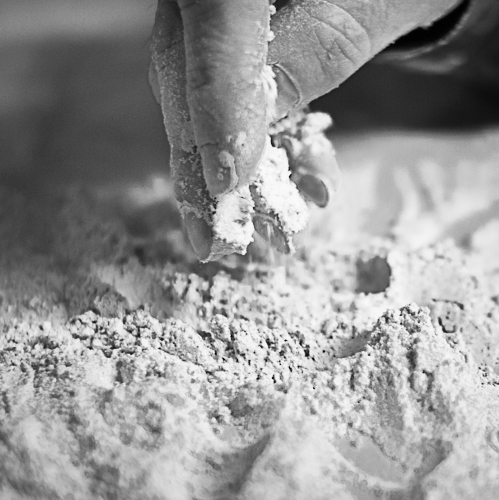
    We also got a demonstration of how to measure the temperature of the oven. Throw some flour into the oven and measure the time it takes to be burnt. If it gets burnt after less than 20 seconds, the oven is too hot. They are only using dry spruce to heat the oven at Bogstad farm. Pine contains too much tar to be used, while oak contains too much tannic acid.

    After heating, but before baking, the ash and the embers had to be removed. This was done by raking followed by brushing. Judging by the taste and the look of the breads, it seemed like the cleaning of the oven was done well.

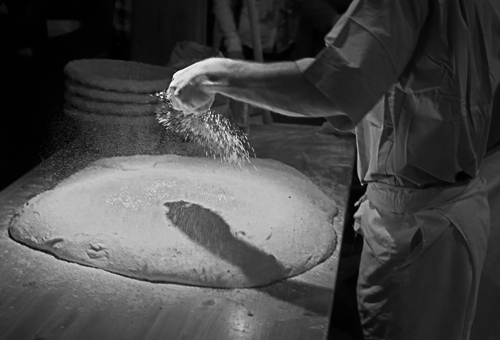
    The bakers from Åpent bakeri demonstrated breadmaking of the yeast dough by forming big “doughnuts”, which they put in baskets specially made for keeping the shape intact. The sourdough was originally in a big trough before they poured it onto a table. Then, they cut it into small pieces, forming buns and putting them in other types of baskets. Unfortunately, we didn’t have time to see the breads being put in the oven and being taken out again after baking.

    After having eaten a delicious lunch consisting of, among other things, the newly baked breads, the seminar continued. Then, we were informed that the state doesn’t support restoration of old bakery ovens nor support education of masons who can restore them.

  • Bakerovnsseminar

    bakerovn_w500

    Slow Food Oslo var medarrangør med Fortidsminneforeningen, Stiftelsen Bogstad gård og Kompetansenettverket – Region Øst på et bakerovnsseminar på Bogstad gård torsdag 23. april.

    Tekst og foto: John Tollefsen

    Primus motor var statsstipendiat og bakstekone Elsa “Sprossa” Rønnevig i tillegg til at følgende personer holdt foredrag:

    Hotelldirektør og kokk Harald Olav Lie-Nilsen
    Murer Espen Martinsen
    Baker Øyvind Lofthus, Åpent bakeri
    Norgesmester i kokkekunst, Trond Moi, Bølgen & Moi
    Arkitekt Ole Christian Torkildsen
    Baker Erik Olofson

    Seminaret begynte med Elisabeth Seip som kunne fortelle at bakerovnen ble bygd i 1760-årene og befinner seg i Morten Løks gamle bryggerhus. Bogstad gård var i privat eie i omtrent 200 år helt til 1955 da søstrene Egeberg donerte gården til Oslo kommune under forutsetning av at det skulle fortsatt driver jorbruk der.

    Historikken rundt bakerovnene
    Harald Olav Lie-Nielsen gikk tilbake til brødets opprinnelse for ca 5000 år siden for så å nevne romerne. Etter å ha erobret Hellas, hentet romerne greske bakere til romerriket og de lærte romerne å bake. Bakekunsten fra romerne har så gått i arv helt til våre dager.

    Siden korn lagres best som korn, mens mel fort vil bli bedervet, begynte våre forfedre på 1300-tallet å bake flatbrød av den enkle grunn at det ikke mugner. De rike importerte hvete, malt og honning fra England.

    Bakerovnene er avhengig av at det er tilgang på hvete og rug og dette har gjort at bakerovene fortrinnsvis finnes langs kysten, mens i innlandet ble det bakt flatbrød vha takkebakst. I tillegg er de avhengig av rik tilgang på brensel som i Norge fortrinnsvis bestod av gran.

    Bakerovnene ble bygd i årestuer eller bryggerhus og i tillegg til å brukes til baking ga de også varme til hele rommet. En ikke uvesentlig ting i gamle dager uten elektrisitet.

    Rundt 1850 kom støpejernskomfyren hvor det kunne stekes mange brød samtidig, men bakerovnene holdt likevel stand fram til ca 1945.

    Som hevingsmidler ble brukt ølgjær, surdeig og enzymer fra kalvemager hvor ølgjær har vært brukt lengst.

    Bygging av bakerovner har vært basert på lokale tradisjoner og materialer.

    Problemer og gleder rundt bakerovnstrenden
    Else Rønnevig bestemte seg i 1987 for å bruke bakerovnen som redskap for å øke interessen og respekten for bygningsarven vår. Da fikk hun restaurert en bakerovn som hadde blitt brukt i en årrekke av hennes bestemor. Et av hennes barndomsminner er at de fyrte ovnen med lyng som de plukket og lot være ute når frosten kom da lyngen brakk ved rota.

    Restaureringen av bakerovnen bød på mange problemer, blant annet, en jerndør til å åpne og lukke ovnen. Ved Ulefoss jernverk fikk hun høre at slike jerndører ikke var blitt støpt på 60 år, men hun fikk til slutt laget en dør ved Arendal modellverksted. Siden har Ulefoss jernverk begynt å produsere jerndører i små antall. Rønnevigs bestemor brukte for øvrig en tredør som ble vætet rett før bakingen skulle skje.

    For å finansiere restaureringen, syklet Rønnevig rundt i Lillesand med hjemmebakt brød til 60(?) kroner stykket.

    Små og store bakerovner har vært bygd i Norge i flere hundre år. Ingen av ovnene var like og ingen tegninger ble brukt. I steden har byggingen av bakerovner blitt ført videre fra generasjon til generasjon. For hver ovn som ble bygd, var det tilgjengelig plass, antall brød som kunne stekes samtidig i tillegg til håndverkerens kunnskap og evner som avgjorde resultatet.

    Rønnevig nevnte en en rekke redskaper som brukes ved baking med bakerovn. Jeg nevner:

    brødspade
    snørtestaur
    soper
    grovake
    grislefjøl

    Spesielt interesserte kan melde seg på kurs hos Rønnevig, www.sprossa.no.

    Hun nevnte også dekorering av brød som stammer fra hanseatene i Bergen.

    Erfaring med restaurering av gamle bakerovner
    Espen Martinsen er murmester som restaurerer game bakerovner. Før restaurering kan starte, må bakerovnen dokumenteres. Dette går ut på å fotografere og registrere ovnens nåværende tilstand i tillegg til å ta den fra hvarandre for å se hvordan den er bygd opp.

    Restaureringen vil alltid være et samspill mellom eier, håndverker og kontrollerende myndigheter, fortrinnsvis lokal feiermester.

    Bygging og restaurering av bakerovner foretaes fortrinnsvis med lokale materialer, dvs. leire og kalkmørtel i tillegg til tegl og naturstein. Kalkmørtel er ikke så stiv og sterk som sementmørtel, men har fordeler som gjør den uunnværlig i en bakerovn siden den slipper it spenninger i ovnen. Spenningene oppstår når ovnen varmes opp og materialene i ovnen utvider seg forskjellig med temperaturen. Mens betong vil holde igjen og ikke gi etter, vil kalkmørtelen gi etter og føre at de forskjellige utvidelsene til materialene i ovnen vil frigjøres. Bruk av betong vil derimot ikke frigjøre spenningene og til slutt vil ovnen sprekke.

    Et annet bygningsmateriale som brukes flittig er leire. Leira kan stamme fra sedimenter i elver og innsjøer eller være fra morener. For å finne riktig type leire, samarbeider Martinsen med Norges Geologiske Undersøkelse. På denne måten kan ovrnen bestå av kortreiste materialer.

    I tillegg til kalkmørtel og leire brukes naturlig nok teglstein. Basert på årelang prøving og feiling skal svakt brent tegl være egnet til å brukes nederst i varmekammeret, mens hardt brent tegl brukes til taket i samme rom.

    Prinsippene ved bygging av bakerovner, brannforskrifter, m.m.
    Ole Chr Torkildsen jobber som arkitekt, men har også en allsidig bakgrunn som snekker, lafting og restaurering av gamle trebygg. Han har revet mange forfalne bakerovner for å se hvordan de er bygd opp. En bakerovn skal visstnok bestå av:

    bakerovnsplate
    hvelving
    røykkanal
    grop
    hvelvstein
    bakerovnsflis
    smidd dør og væe bygd av en blanding av tegl og naturstein

    Teglstein brukes i hvelving og kammer, mens naturstein brukes til resten av ovnen. Minst mulig jern må brukes i ovnen siden den utvider seg mye mer med økende temperatur enn de andre materialene i en bakerovn. Unntaket er døra som gjerne kan ha et kikkhull.

    Brannforskriftene er basert forskrifter fra 1924 som igjen er basert på en beskrivelse av bakerovner utført av landbruksingeniør Tandberg i 1885.

    Åpent bakeri
    Etter foredragene ble vi invitert ned for å se på bakerovnen. Vi ble møtt av Øyvind og Andre fra Åpent bakeri som viste baking av surdeigsbrød og gjærdeigsbrød. Deigen kom fra Samson bakeri (Bogstad-rundstykker).

    Vi fikk også demonstrert en enkel metode for å måle temperaturen i ovnen. Sleng inn litt mel i ovnen og ta tiden det tar før det blir svidd. Krav: minst 20 sekunder. Kortere tid tyder på at ovnen er for varm. På Bogstad fyrer de kun med tørrgran siden det er viktig å alltid fyre med samme type ved. Furu kan ikke brukes fordi den inneholder for mye tjære, mens eik inneholder garvesyre.

    Etter fyring og før steking må asken og glørne fjernes. Dette ble først gjort vha raking for deretter å bruke en slags kost av furubar. Etter smaken og utseendet på brødene virket det som rengjøringen av ovnen ble godt utført.

    Bakerne fra Åpent bakeri demonstrerte baking av gjærdeig ved å lage “smultringer” som de puttet opp i kurver som passet akkurat til å ta imot “smultiringene”. Gjærdeigen var opprinnelig i et enormt fat før den ble helt ut på et stort bord. Deretter kuttet de opp deigen i små stykker før de formet hvert stykke til en bolle som ble lagt i andre typer kurver. Til slutt helte de mel på toppen av deigen. Dette skal visstnok være for å holde på fuktigheten (forklaring??), men kan like gjerne være for at brødet skal se mer appetittlig ut. Tiden tillot dessverre ikke at vi fikk sett at de la brødene i ovnen og heller ikke at de tok dem ut igjen.
    Staten står ikke klar hverken for å finansiere restaurering av gamle bakerovner eller å utdanne nye murere som kan føre dette håndverket videre.

  • Horgen farm

    Web site

    Map reference

    Photo gallery

    Instagram

    We visited the farm of Trond Qvale at Horgen farm located about 50 km from Oslo in the commune of Nes in Akershus. He was proud to show us his Angus cattle which are outside all year. It started when he imported a fertilised egg and used a Norwegian cow as a surrogate mother, resulting in tens of Angus cattle in the following years.

    He began organic farming in 1989 and has been doing organic farming only from 1999. By cultivating meadow grasses and Timothy grass, the Qvale family is able to cover 90-95% of what their animals need, while they buy organic fodder from farms nearby to cover the remainder. However, depending on the yield of their own produce, they may have to buy up to 30% from other farms. Anyway, the meat of their cattle contains more nutrients and is more tasty than cattle raised on compound feed. For those who want to know more about grass-fed beef, this article is a good starting point.

    Having raised cattle for many years, Trond has learnt how to assess the weight of his cattle before they are sent to the slaughterhouse. In fact, he uses a tape measure, measuring the size of the animal across its front and back, resulting in a fairly accurate measure.

    Having departed from the conventional way of raising cattle where the goal is to let the animals grow quickly and give a lot of meat, Trond lets his animals grow slowly. By limiting the size of the cattle and only letting quiet animals have calves, they get more harmonious and the work of the farmer is easier. All breeding takes place such that births happen in spring and the calves stay with their mothers for 7-8 months before they are separated in small flocks.

    Spelt, barley for malting, oats together with wheat are also grown at this farm.

    Please see this web site for advice on grilling meat from Angus cattle.

  • Holli Mill

    holli_molle_w500

    Web site

    Map reference

    Photo gallery

    Instagram

    Holli mill is located in a place called Spydeberg where organically cultivated grains are ground into flour with millstones. Besides, the cereals are required to be near to the original types of grain which have not been hybridised by man.

    We paid a visit to miller Terje Nesje at his mill in Spydeberg on Saturday 18 April. After having arrived, we were invited to his office where he gave us a short lecture on cereals starting with einkorn and emmer, which were domesticated in the Fertile Crescent, corresponding to present-day Iraq, Syria, Lebanon and southern Turkey, about 9,000 years ago. Both einkorn and emmer are types of wheat and the latter has somehow given rise to spelt wheat through hybridisation with wild goat-grass. Source: wikipedia

    He also told us about the Finns who arrived in Norway in the 1600’s and who practised slash-and-burn agriculture. After having burnt an area of the forest, they put rye grains in their mouths in order to water them before putting them in the ground. When the grains were full-grown, they let their cows eat the grain. In this way, the cows aided in spreading the rye and fertilizing it at the same time.

    Contrary to modern wheat, spelt wheat has long roots which are able to find nutrients and water deep down, while modern wheat has short roots and is dependent on artificial irrigation and getting nutrients from fertilizers located close to its roots. In addition, spelt has a long stem making it more difficult for parasites to climb from the ground up to the ear. In spite of these positive traits, none of the aforementioned types of cereal are widely cultivated for the simple reason that they have a lower harvest than modern types of cereals. Thus, they are unfortunately grown only because more or less affluent and health-conscious people are willing to pay higher prices for flour or bread made from these types of cereals.

    Besides telling us about cereals, he also gave us a vivid description of the smell of the flours which arises when grinding the different types of cereals.

    Being concerned about teaching children about the way from cereals to bread, he sometimes visits kindergartens bringing a handheld mill. In this way, the children are shown how grains are ground into flour.

    It is a goal for the miller that the cereals he are receiving should be cultivated organically and preferably grown locally. Thus, in addition to cultivating his own cereals, he’s receiving cereals from up to 40 different farms. Before grinding, samples of the cereals are tested for humidity because there is a requirement to the highest amount of humidity. Thus, the cereals first have to be dried, before they are cleaned and then ground. When grinding, the distance between the millstones is adjusted until the smell and sound are as wanted. Of course, the grains are ground slowly and carefully in order to avoid excess heat. We have experienced something similar during roasting of coffee beans at the coffee bar of Tim Wendelboe.

    Terje Nesje learnt how to grind grain into flour from an old, now deceased, miller from a place called Sarpsborg. Since almost all flour in Norway is produced industrially, the trade of miller hardly exists any more. Thus, in order to gain experience and meet other millers, he is in touch with Swedish and Danish farmers.

    Holli mill is producing flour from the following types of cereals:

    • wheat
    • rye
    • emmer
    • barley
    • spelt

    Fortunately, the mill has a good distribution and sales to selected bakeries. Besides, it is also possible to buy flour directly from the mill and from the Sunkost food-chain in Norway.

    In the end, we were told about his pearl grain in which he has great confidence. Pearl grain is made from spelt, barley and rye and it can be cooked as rice and risotto.

  • Horgen gård

    horgen_w500

    Horgen gård produserer økologisk kjøtt og avlsdyr på storferasen Aberdeen Angus. Gården startet med økologisk drift i 1989  og fra 1999 har gården vært drevet 100% økologisk.  I tillegg til kjøttproduksjon dyrker gården korn og frø til økologisk gressproduksjon.

    Slow Food Oslo sitt “jord til bord” prosjekt tok turen innom Trond Qvale på Horgen Gård en kortreist avstand (50 km) fra Oslo. Trond viste stolt frem sine Angus storfe som går ute hele året. – En hardfør og fruktbar rase som gir et flott marmort kjøtt, kunne Trond fortelle oss.

    Se de flotte bildene John Tollefsen fikk av Aberdeen Angus
    Er du interessert i kortreist og økologisk kjøtt så ta kontakt direkte med Trond Qvale på Horgen Gård. Les mer på : www.horgengaard.no

    Source: wikipedia at http://en.wikipedia.org/wiki/Angus_cattle: Aberdeen Angus is the original name of the breed, which was developed in Scotland from aboriginal cattle native to the counties Aberdeenshire and Angus. The vast majority of Angus cattle originate from a bull and a cow born in the early 1800s. Angus cattle are hardy, undemanding, and adaptable; they mature at around two years of age, and have a high carcass yield with marbled meat. Angus are used as beef cattle and are not used for milk intended for human consumption.

  • Holli Mølle

    holli_molle_w500

    mølle i Spydeberg steinmaler kortreist og økologisk korn. Holli Mølle er opptatt av de gamle og originale kornsortene som ikke er foredlet og tuklet med.

    Slow Food Oslos jord til bord redaksjon besøkte møller Terje Nesje på hjemmebane i mølla i Spydeberg i Østfold lørdag 18. april. Vi ville vite hvordan hverdagen var for en liten og ikke ”industriell” møller.

    Terje tok i mot oss inne på kontoret og kunne på en enkel og lettfattelig måte beskrive kornets historie og kom med med nesten musikalske beskrivelser av lukten det blir i mølla etter å ha kvernet de ulike originale korntyper. Enkorn, verdens eldste korn samt emmer, mora til spelt og spelt ble lovprist av mølleren.

    Den entusiastiske møller tok gjerne turen innom barnehager og skoler i nærheten gjerne med sin lille bærbare mølle for å lære bort og forklare veien fra korn til bord til lydhøre barn.

    Kortreist og økologisk skal det være for mølleren. 40 samarbeidende gårder leverer økologisk korn til Holli Mølle. Forhåndstester og gjennomsnittsprøver av partiet kvalitetssikrer kornet som leveres. Gamle prinsipper og moderne teknologi sikret et rent korn inn i steinkvernen. Steinkvernen stilles inn, det luktes, høres og føles for å gi det optimale mel. (En prosess og metode ikke ulik den kaffebrenneren på Tim Wendelboe hadde, og vi fikk observere under et besøk)

    Terje Nesje lærte sine ferdigheter av en gammel møller fra Sarpsborg. Siden miljøet er lite for mølleryrket i Norge så har Terje Nesje kollegial omgang i Sverige og Danmark.

    Holli Mølle har også klart å få til gode ordninger med distribusjon og salg til bakerier samt fått sitt mel inn på Sunkost-butikkene i Norge. Terje avslutter med å fortelle om sitt perlekorn som han har veldig tro på. Perlekorn fås i variantene spelt, bygg og rug. De kan tilberedes som ris og gjerne som risotto.

    RELATERTE ARTIKLER/LINKER:
    Holli Mølle
    Sunkost.no
    Full fart for Holli Mølle ( Regjeringen.no)

  • Azienda Agricola Belvedere

    Slideshow Mapreference Facebook
    Questa azienda agricola ha una storia familiare molto interessante. È situata tra il comune toscano di Pitigliano e il comune laziale di Farnese; zona di confine dove i terreni tufacei tipici di questa parte di Toscana e i ricchi terreni sciolti presenti in questa zona di Lazio, si presentano frammisti dando luogo ad uno strato di humus di eccezionale ricchezza e fertilità.

    Fin dalla metà del secolo scorso questi vasti e fertili territori facevano parte dei latifondi appartenenti alle famiglie di antiche origini feudali.

    Il Signore Giancarlo, attuale conduttore dell’azienda agricola Belvedere, è ancora oggi coadiuvato dall’anziana madre che risiede ancora nella casa colonica costruita nel 1400 sulla sommità della collina che domina l’azienda. La madre di Giancarlo che oggi ha 75 anni ricorda che già i suoi nonni coltivavano i campi intorno in qualità di mezzadri col diritto ad abitare nella casa padronale e di acquisire la metà del raccolto prodotto dalla famiglia. Erano tempi molto duri, ma i tempi cambiano: il contratto di mezzadria è stato abrogato alla fine degli anni 50, in quanto ingiusto nei confronti del contadino. Così, la famiglia ha continuato ad abitare nella casa colonica riscattando il fondo di pertinenza e acquistando nuovi appezzamenti di terra che le hanno permesso di accorpare insieme un’estensione di 150 ettari.

    In quest’azienda le principali colture sono costituite dalla vite e dall’olivo.

    La vite: le qualità coltivate sono principalmente Sangiovese, Cabernet e Rosso di Sorano. Gran parte dell’uva prodotta viene venduta alla Cantina Sociale, ma Giancarlo è molto orgoglioso della produzione propria di vino che conserva nella cantina del 1400 scavata nella roccia del tufo sotto il lato nord della antica casa colonica di famiglia. Il vino ottenuto dalla spremitura di queste uve è il pregiato “Rosso di Sorano”.

    L’olivo: sono presenti tre specie di olivi, il Cannino (saporito, piccante, sempre giovane e a lunga conservazione), una pianta tradizionalmente coltivata a Cannino (paese dell’alto Lazio famoso per la produzione del pregiato olio d’oliva) che produce un’oliva piccola, ma ricchissima di olio e la cui raccolta si effettua tra la fine di novembre e il mese di dicembre.

    Il Leccino: un tipo di pianta più robusta e dotata di grande resistenza alle temperature più basse e assicura una fruttificazione anche nelle annate più fredde. L’oliva prodotta è grande e carnosa e per questo è adatta alla conservazione. Il suo olio è leggero e delicato di gusto, ma non è adatto alla lunga conservazione. Questa pianta permette una raccolta precocie (ott.-nov.).

    Il Frantoio: la pianta del tipo Frantoio è molto delicata, non sopporta le basse temperature e quindi nella annate particolarmente fredde non porta i frutti, ma produce un ultimo olio, molto aromatico e con una buona profumazione.

    Le olive vengono portate al frantoio dove vengono macinate, gramolate (la pasta ottenuta con la macinazione viene trattata con le gramole per separare la parte dura da quella morbida), la parte molle così sottoposta alla centrifuga dove la parte liquida viene eliminata e infine la parte oleosa viene sottoposta a decantazione.

    Si ottiene così l’olio extra vergine di oliva.

    Nell’azienda ci sono tre allevamenti:

    • allevamento bovino: mucche Frisone da latte e vacche Limousine da carne
    • allevamento suino: i maiali sono di razza Cinta Senese e le loro carni sono in parte vendute fresche e in parte sono destinate alla trasformazione (salsicce, salame, prosciutto, lardo, lombo, ecc.)
    • allevamento ovino da carne: di razza Appenninica

    Per arricchire il suolo si usa il letame e non vengono aggiunte sostanze chimiche, né vengono effettuati trattamenti chimici sulle colture.

    Visite alle aziende e redazione degli articoli realizzati in collaborazione con la scuola Terramare.

  • Azienda Biologica e Agriturismo Rustici

    Slideshow Mapreference Mapreference Website Facebook

    L’azienda Rustici è a prevalente conduzione familiare e dà lavoro anche 8 operatori esterni. L’azienda nasce nel periodo della riforma fondaria operata negli anni 50, dopo la definitiva bonifica della palude maremmana.Infatti, le pianure della Maremma che fino agli anni 50 erano paludose vengono definitivamente bonificate in questo periodo e con il successivo assetto del territorio, i grandi latifondi scompaiono e sono sostituiti dai piccoli fondi assegnati ai contadini.

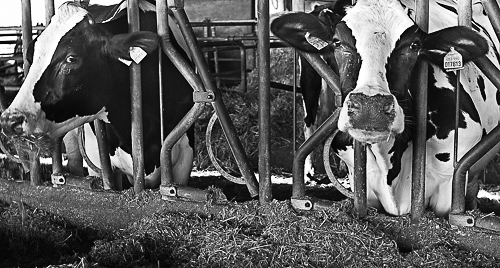
    La famiglia Rustici ha costruito e ampliato le strutture necessarie all’organizzazione della propria famiglia e dell’azienda attraverso 60 anni di storia. Oggi, quest’azienda può vantare un allevamento di mucche Frisone da latte, di circa 100 capi tra fattrici, vitellini, giovenche e manze, destinato esclusivamente alla produzione di latte; un allevamento brado di vacche maremmane e un allevamento di vacche meticcie da carne (Limousine-Chianine), anche esso tenuto allo stato brado.

    A differenza dell’allevamento in stalla costituito dalle mucche da latte inseminate artificialmente a intervalli regolari di tempo (a 60 giorni circa del parto precedente, cioè annualmente), per le vacche da carne l’inseminazione è naturale. L’azienda possiede anche due tori di razza Maremmana e un meticcio utilizzati per la monta.

    I giovani fratelli Rustici, insieme al padre, hanno fatto una scelta difficile, ma che dà molte soddisfazioni, cioè seguire criteri assolutamente biologici e naturali sia nelle varie fasi dell’accrescimento, della produzione e della trasformazione dei prodotti dell’allevamento;
    sia nelle tecniche delle coltivazioni e del trattamento del suolo, nell’intento di tutelare la salute degli animali e le condizioni dell’ambiente naturale in cui, anche la famiglia vive, lavora e sviluppa giorno per giorno nuove idee per ampliare e migliorare la qualità della vita degli animali, incrementare le potenzialità dell’azienda e introdurre nel mercato prodotti sempre più sicuri e genuini. La famiglia Rustici, da anni si ad opera per promuovere la vendita e di fondere l’abitudine al consumo del latte crudo. Il latte crudo è quello munto dall’animale, e non sottoposto ad alcun trattamento, tranne filtrazione e refrigerazione a 4°C. Per questo ha una serie di proprietà che lo rendono molto apprezzato rispetto alle altre tipologie di latte:

    a. il latte crudo è più facilmente digeribile, contiene tutti gli enzimi in forma attiva e aiuta a migliorare i sintomi di intolleranza alimentare del latte;
    b. il latte crudo aiuta l’assorbimento del calcio perché conserva la fosfatasi. Tale enzima viene inattivato dai trattamenti termici;
    c. il latte crudo possiede maggiori percentuali di grassi insaturi (grassi buoni). Il grasso è fondamentale per il corpo umano, dà energia all’organismo, aiuta ad eliminare le tossine; mantiene l’elasticità di vene e arterie.

    Tra le iniziative dirette alla salvaguardia dell’ambiente, ha una grande importanza il coinvolgimento di altre aziende vicine, nella pratica della coltivazione biologica. L’azienda Rustici, infatti, stabilisce delle convenzioni con alcune aziende confinanti, in base alle quali ha la possibilità di estendere le colture biologiche ai fondi di queste assicurandosi un duplice traguardo:

    1. ristabilire le componenti organiche originarie dei fondi confinanti interrompendo l’uso di pesticidi, diserbanti e di altri prodotti chimici;
    2. provvedere allo stoccaggio dei foraggi, dei cereali e delle leguminose necessari al nutrimento dei propri animali.
    Una parte dei mangimi destinati ai bovini proviene dai foraggi spontanei che l’azienda Rustici ha la possibilità di tagliare annualmente nella vicina oasi del WWF, in base a un’altra convenzione stipulata con questa associazione.

    L’attività svolta dalla famiglia Rustici è ufficialmente riconosciuta dall’ente regionale ARSIA attraverso il certificato di conformità alla normativa che regola l’agricoltura biologica, rilasciato periodicamente.

    L’allevamento in stalla è formato da ripari aperti ai campi coltivati a pascolo spontaneo, dove le mucche da latte possono liberamente accedere. I capi da latte sono attentamente seguiti per la cura veterinaria vengono adottati protocolli omeopatici, come prevede il disciplinare biologico. Ogni mucca è fornita di un pedometro che rileva lo stato della sua salute deducibile, sia dalla quantità del latte prodotto segnalato dallo strumento (le mungiture sono tre al giorno: mattina, primo pomeriggio e sera), sia dalla intensità del movimento dell’animale evidenziata dallo stesso. Tutti i dati relativi a ciascuna mucca (fattrice) sono raccolti in un computer, in singole schede dalle quali risulta molto chiaramente il momento esatto (giorno e ora) in cui dovrà essere effettuata l’inseminazione artificiale. L’inseminazione deve avvenire dopo almeno 60 giorni dal precedente parto. Infatti, dopo il parto la madre viene immediatamente separata dal vitellino e per un periodo di due mesi chiamato, asciutto, perché la produzione del latte e la relative mungitura saranno limitate ai soli 10 giorno successivi al parto, non produrranno altro latte e saranno tenute a riposo in attesa della successiva inseminazione. I vitellini, infatti, pur non essendo allattati dalla madre direttamente hanno assolutamente bisogno del suo latte in questa prima fase della loro vita. Nei successivi 80 giorni possono bere il latte di qualunque mucca. All’allattamento si provvede con un poppatoio computerizzato e programmato in modo da somministrare a ciascun capo la quantità di latte necessaria. Il latte è preventivamente riscaldato dallo stesso macchinario. Dopo 90 giorni di allattamento, maschi e femmine vengono svezzati in recinti separati. Le femmine, a loro volta sono ospitate in tre distinti recinti a seconda delle fasce di sviluppo: in un primo recinto sono tenuti i capi nella prima fase di svezzamento (3/6 mesi); in un secondo recinto sono tenute le giovenche (7/12 mesi -fase della pubertà); in terzo recinto sono tenute le manze, cioè i capi in età feconda (12-16 mesi), che verranno sottoposte in inseminazione artificiale con scadenza annuale.

    I due allevamenti allo stato brado (circa 50 capi vacche maremmane da carne e circa 70 vacche meticcie da carne) si trovano in un’altra azienda di 90 ettari in una zona vicino a centro medievale di Magliano dove i rilievi raggiungono 150/200 metri sul livello del mare e si alternano a valli ricche di macchia mediterranea, dove si trovano gli antichi fontanili ancora utilizzati per l’abbeveraggio degli animali.

    La reintroduzione delle vacche maremmane in questo paesaggio tipico della Maremma-Toscana offre un immagine di quanto la volontà dell’uomo possa essere di fondamentale importanza nella ricostituzione dei cicli naturali è nella riconquista dell’equilibrio tra ambiente naturale, produttività e qualità della vita umana. Questo processo biologico avviato dall’azienda Rustici è diretto a ripopolare la campagna con gli allevamenti tradizionali: la vacca maremmana è un animale a lento accrescimento, abituata ai grandi spazi delle maremme e in questo ambiente riesce a utilizzare per il proprio nutrimento tutte le risorse offerte dalla macchia mediterranea spontanea e dai pascoli perenni compiendo dei lunghi percorsi ad essa congeniali.

    I pascoli spontanei vengono seminati una volta e ricrescono spontaneamente a partire dal secondo anno attraverso la naturale diffusione dei semi sul terreno e con la collaborazione delle stesse vacche: percorrendo più volte il pascolo rilasciano i loro escrementi ricchi di semi e contribuiscono all’arricchimento del suolo.

    Tra le tecniche di rotazione agraria tradizionali reintrodotte dai fratelli Rustici riveste una grande importanza, ai fini della conservazione delle proprietà del suolo, il sovescio. Con questa tecnica si può utilizzare una determinata coltura che anzitutto, prepari il terreno per accogliere una piantagione pluriennale. Una pianta usata in questi casi è il cosìdetto favino, una leguminosa con la quale si ottengono almeno tre obiettivi principali:

    a: dopo avere sparso il letame proveniente delle stalle nel terreno da preparare, si semina la leguminosa che tra alimento dal letame, trasformando attraverso chimici e biologici in elementi che, alla fine del ciclo vitale della pianta, ritornano al terreno arricchendolo.
    b. il favino è una pianta con una potente funzione allopatica, ciò significa che durante tutto il periodo dello sviluppo non permette insediamento di altre piante (erbacce) sul terreno.
    c. alla fine del suo ciclo la leguminosa viene lasciate a essiccare sul terreno che così risulta naturalmente diserbato.

    Oltre a queste caratteristiche come tutte le leguminose arricchisce il terreno di azoto fissatore. Prima di seminare la nuova pianta su questo terreno, per esempio, il mais verrà praticato il sovescio: i residui della leguminosa verranno amalgamati meccanicamente con il terreno così arricchito di tutti gli elementi necessari alla nascita e crescita della nuova piantagione.

    Questa azienda ha molte prospettive di sviluppo, non solo nel campo esclusivamente agricolo o di allevamento, ma anche nel settore della ricezione turistica. Infatti, all’interno della zona destinata a pascolo brado sono presenti numerosi percorsi e sentieri praticabili sia a piedi che il mountain bike che presto accoglieranno gruppi di appassionati della natura. Sarà anche organizzati un servizio di ristorazione a base di piatti locali preparati con loro prodotti assolutamente biologici già da diversi anni effettuano la vendita diretta del latte crudo, e non pastorizzato proveniente dal loro allevamento.

    Visite alle aziende e redazione degli articoli realizzati in collaborazione con la scuola Terramare.

  • L’azienda Agricola Biologica Fonterosa di Bigi Piero

    Slideshow Mapreference Facebook

    Questa azienda a conduzione familiare e diretta da Signore Piero Bigi il quale dall’inizio degli anni 80 ha voluto reintrodurre le colture tradizionali nella zona.

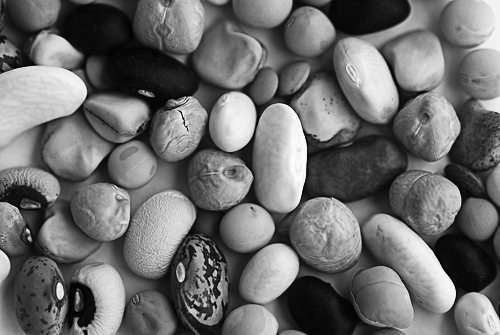
    Così, ha iniziato personalmente la ricerca dei semi dei seguenti legumi:

    • Fagiolo Ciavattone di Sorano
    • Fagiolo Borlotto nano di Sorano
    • Fagiolo Cannellino di Sorano
    • Cicerchie di Sorano
    • Cece Rugoso di Sorano
    • Aglio rosso maremmano

    Nella ricerca e sperimentazione biologica delle rispettive colture, l’azienda è sopportata dall’università di Siena che insieme a Signore Bigi controlla che, la selezione dei semi, le varie fasi di coltivazione degli stessi, la produzione e la successiva archiviazione dei nuovi semi selezionati, avvengano in modo che la normativa prevista per la coltivazione biologica sia rigorosamente applicata.

    Il Signore Bigi racconta che nella sua ricerca sulle sementi originarie di questi legumi ha incontrato una vecchia contadina di 103 anni che ancora coltivava il famoso cece rugoso di Sorano, la cui coltivazione era già praticata dai suoi nonni. Sembra che molti legumi coltivati da Signore Bigi siano proveniente dall’Africa Centrale e che siano stati introdotti in Italia 300 anni fa. Tutti i legumi e l’aglio coltivati in questa azienda sono ufficialmente riconosciuti come prodotti tradizionali della Maremma o di Sorano, dall’apposita Commissione Regionale toscana. Siamo nei paesi del tufo, un ampio territorio compreso tra i comuni di Sorano, Pitigliano e Sovana. Territorio caratterizzato, appunto, dal terreno derivante dallo sgretolamento delle rocce vulcaniche formatesi attraverso il deposito della cenere e dai lapilli provenienti dagli antichi vulcani di Bolsena e Mezzano, attraverso il succedersi delle eruzioni avvenute in ere geologiche lontane.

    La Terra dei Tufi: queste rocce vulcaniche effusive, prive di calcio, ma ricchissime di potassio, danno al fagiolo due caratteristiche organolettiche determinanti:
    – la mancanza assoluta della “gusciosità” della cuticola esterna, che si presenta finissima e produce l’effetto dello “sciogliersi in bocca”
    – il sapore dei legumi che risulta ricco ed intenso (profumato) è determinato dalla forte incidenza del potassio naturale.

    Dall’insediamento delle colture leguminose deriva un ulteriore arricchimento per il terreno, infatti, è ben noto che le leguminose rilasciano nel terreno l’azoto che serve poi alle stesse piante per fissare il carbonio contenute nell’aria. Nella semina dei legumi si ha cura di scegliere degli appezzamenti di terra lontani tra di loro per evitare che l’impollinazione produca delle specie ibride. Non vengono utilizzati né fertilizzanti, né insetticidi, né diserbanti in nessuna delle fasi della coltivazione dei prodotti. L’operazione della raccolta dei frutti viene eseguita manualmente. Tutti questi legumi sono un ingrediente fondamentale nei principali piatti della dieta mediterranea e della cucina toscana. Essi contengono il giusto equilibrio tra carboidrati e proteine e sono resi facilmente digeribili dalla presenza delle fibre.

    Visite alle aziende e redazione degli articoli realizzati in collaborazione con la scuola Terramare.